Diagnosis Case 01 / 06 CES paperwork lagging behind the work
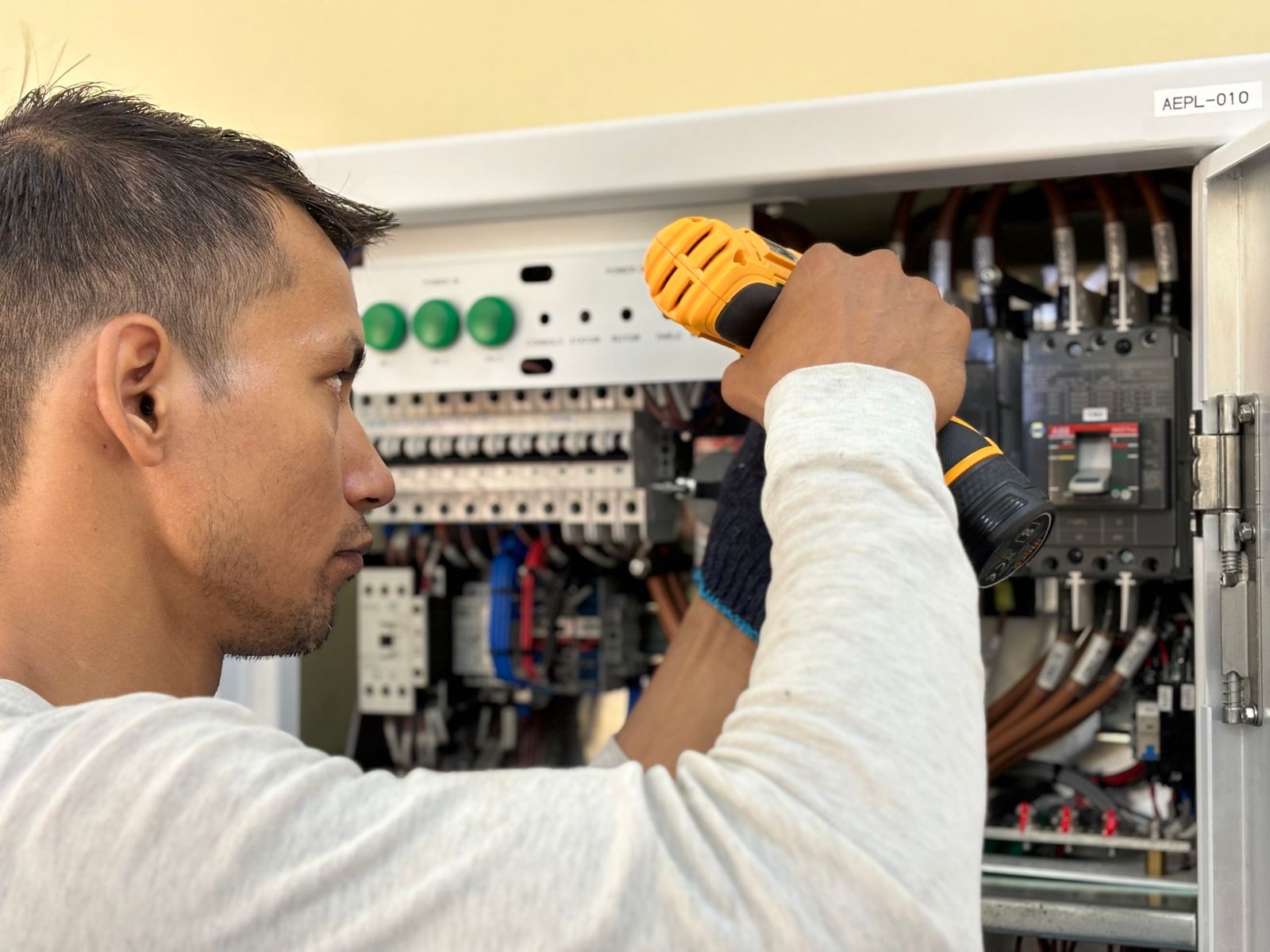
Certificates of Electrical Safety written up on a Saturday. Notifiable work not lodged on time. Test reports for switchboard upgrades sitting on someone's phone camera and never matched to the job.
When an audit lands, the team spends two days reconstructing what actually happened across email, group chats, paper job cards and three spreadsheets.
We build CES generation into the field workflow, drafted from the job record on completion, signed digitally on the device, filed against the job and dispatched to the customer (and regulator where required) on the same day the work is done.
Diagnosis Case 02 / 06 Your job platform does not quite fit electrical work
Simpro, ServiceM8 and Tradify cover 70–90% of an electrical operation cleanly. Where they fall short is the 10–30% that is unique to electrical and unique to your business, skill-rule dispatch, CES generation, AS/NZS 3760 test & tag, CEC solar/EV documentation, builder portals, multi-division reporting.
Switching platforms costs months and the team usually resists it for good reason. Stitching three tools together with email and spreadsheets costs every week, forever.
We build the missing 10–30% as an extension layer on top of the platform your team already knows. Same tool, same daily routine, the missing capability just appears alongside.
Diagnosis Case 03 / 06 Quoting takes too long and margin is invisible
Rate cards by skill level (A-grade vs apprentice vs CEC accredited) do not line up between the quoting tool and the field. Materials get priced from last quarter's spreadsheet. Commercial tenders with hundreds of line items are rebuilt by hand each time. Margin only becomes visible at month-end reconciliation, by which time the variation argument is already lost.
We build estimating tooling on top of your platform that knows your assemblies, your suppliers' live pricing and your skill-tiered labour rates. Quotes go out in hours instead of days. Margin is tracked against the live job, not after the invoice.
Diagnosis Case 04 / 06 Field techs cannot get what they need on site
No offline access in basements, switch rooms and remote rural plant rooms. No drawings, site history, previous CES, scope of works or customer notes on the device. Every detail requires a phone call to the office that someone has to take.
A jobsite minute lost to admin is a jobsite minute the customer is paying for.
We build a field layer on top of your existing app that holds the data offline, captures photos and signatures against the job, pulls test & tag readings from Bluetooth instruments and syncs the moment connectivity returns.
Diagnosis Case 05 / 06 Invoicing happens weeks after the work
Photos, materials lists, time logs and travel notes get transferred manually into an invoice template days or weeks after the work. Billable items get missed. Cashflow takes the hit, especially on solar and EV jobs that already carry long material lead times.
We wire the field app to the invoicing engine and the accounting platform. Invoice generated the moment the CES is signed off, pushed to Xero or MYOB the same day, payment link delivered with the invoice. Most contractors halve invoice-to-payment time within three months of this going live.
Diagnosis Case 06 / 06 No clear view of which work actually makes money
Switchboard upgrades versus solar PV versus emergency lighting versus commercial fit-out versus test & tag rounds, which job type is making money? Which apprentice is most utilised? Which builder account is worth the effort and which is paying for prestige?
The standard reporting your platform ships with cannot answer these. The data is there, but it is not packaged to the questions you actually need answered.
We pull data out of your job platform into a custom dashboard layer (Power BI, Looker or a bespoke dashboard) so margin by job type, customer profitability, team utilisation and forward pipeline are visible weekly, not at year-end.