Diagnosis Case 01 / 06 Variations missed, lost revenue on every project
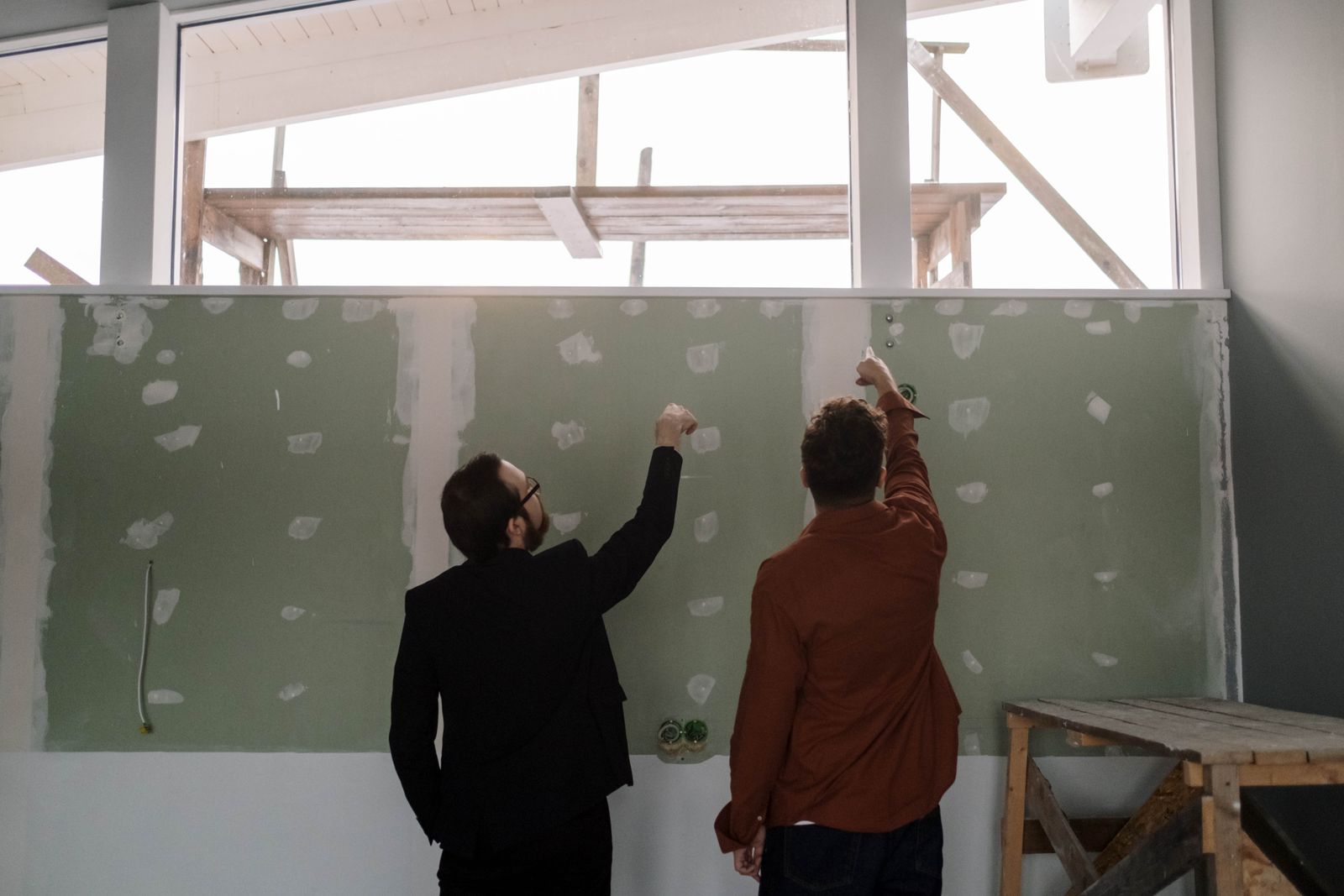
An approved scope change discussed on site at 4pm and noted in someone's phone never makes it into the next progress claim. The client signs off on the email two weeks later, by which point the work is already done and the materials are already paid for. The variation lands in dispute, or worse, gets quietly absorbed.
For most fitout businesses, missed variations are the single biggest leak in margin, a handful per project, every project, every year.
We build a variation tracker that captures the change at the moment it happens, on the device, on site, with photos and notes against the job. The client-facing variation portal generates an approval-ready PDF (or DocuSign envelope) within minutes. The site supervisor moves on to the next thing; the variation is already in the system, costed, and ready for the next progress claim.
Diagnosis Case 02 / 06 Subbie coordination chaos, every stage waits for someone
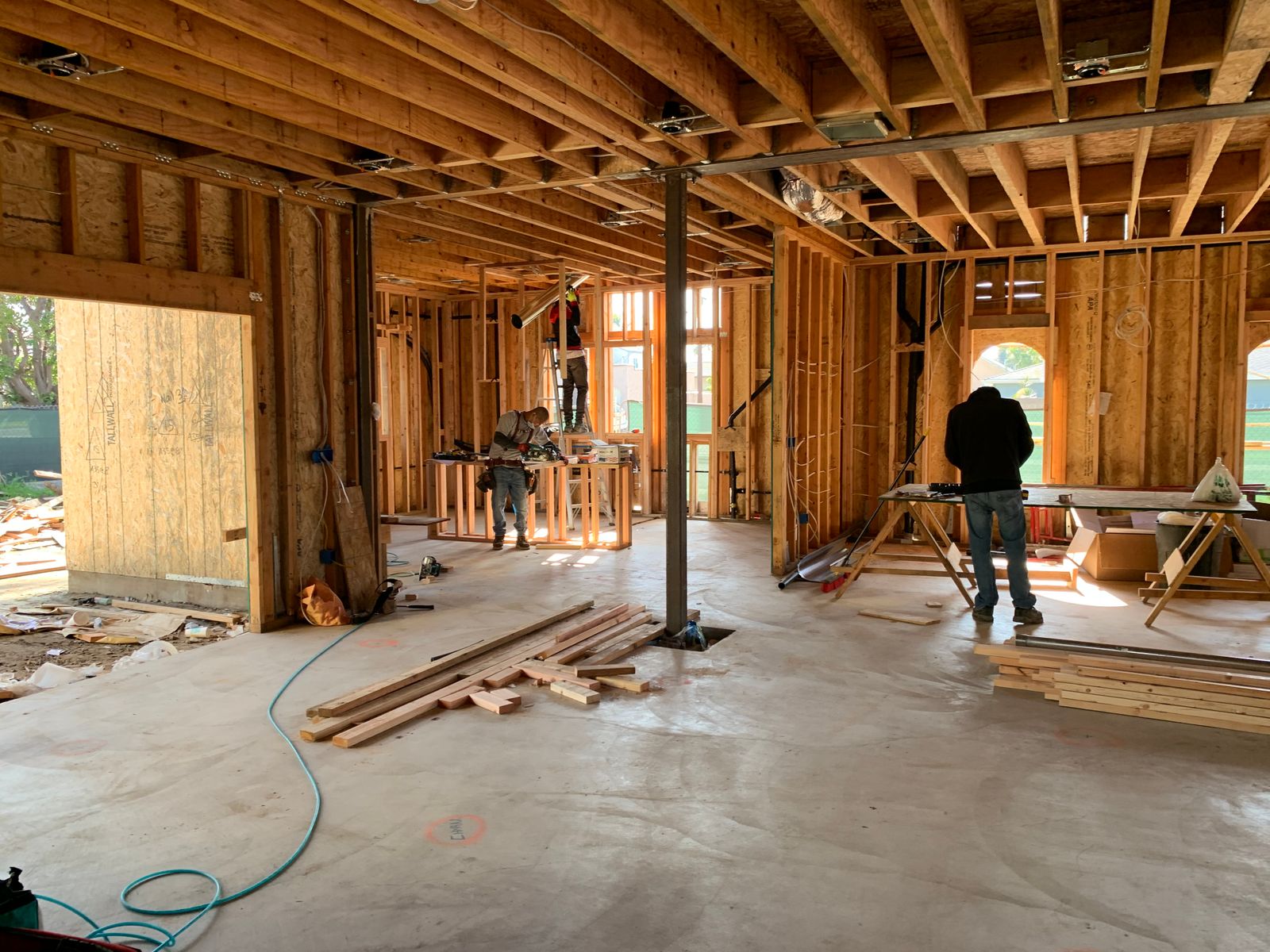
Electrical wants to rough-in before the partitions are closed up. The plumber arrives a day before the carpenter has built the wet wall. The glazier turns up to find the floor still being levelled. Each subbie billed for the wasted day. The PM spent half the day chasing the next one.
Most fitout businesses run subbie coordination from a Gantt chart that is two weeks out of date and a WhatsApp group that nobody reads in time.
We build a subbie coordination board on top of your project tool, every subbie linked to their dependency, automated cascade when a stage slips, SMS confirmation 48 hours out and 24 hours out, and a single source of truth the PM and the site supervisor are both looking at.
Diagnosis Case 03 / 06 Materials lead-time blind spots on joinery and glazing
Custom joinery quoted at six weeks; comes in at ten. Glazing ordered late because the design was still being finalised when the PM thought it had been signed off. Specialty timber lead times absorbed into the program by assumption, not by data.
When a single long-lead item slips, the entire trade cascade behind it slips with it, and the client gets the bad news four weeks before completion, not in time to do anything about it.
We build a lead-time tracker against every long-lead item, supplier confirmation, ETA changes captured as they happen, automatic flag to the PM when the float on a critical path item drops below threshold. AI scans the order book against historical lead times and flags the items most likely to slip.
Diagnosis Case 04 / 06 Progress claim accuracy depends on a spreadsheet that goes out of date
The progress claim spreadsheet was accurate the day the PM built it. Two weeks later, work is ahead in some areas, behind in others, and the spreadsheet does not know. The claim goes out either light (leaving cash on the table) or heavy (which the client disputes).
The retention column is calculated by hand. The variations column does not match the variation tracker. The certifier comes back with a different percentage complete and the next claim is delayed by ten days.
We build a fitout-specific progress claim tool that pulls live percentage complete from the field, links variations directly from the variation tracker, calculates retention against the contract terms automatically and outputs a certifier-ready claim pack on demand. Cashflow follows the work, not a stale spreadsheet.
Diagnosis Case 05 / 06 Base-building services coordination eating the PM's week
After-hours work permits requested by email. Lift bookings tracked in the building manager's calendar that only they can see. Base-building isolation requests for the sprinkler and the fire-alarm panel chased by phone the day before they are needed. Loading dock bookings, security passes, induction records, all in different places.
For a commercial fitout, base-building coordination quietly absorbs a third of the PM's week and produces nothing visible. When something slips, a missed lift booking, an isolation that did not get approved, it shows up as a lost day on site, not as a base-building issue.
We build a base-building services coordination layer that tracks every permit, booking, isolation and induction against the program. Reminders fire before deadlines, building manager email threads land back against the job, and the PM gets a single view of what is approved, what is pending and what is at risk.
Diagnosis Case 06 / 06 Defects and handover documentation trail missing at PC
Practical completion comes around. The handover pack needs as-installed drawings, product warranties, joinery hardware specs, paint and finish schedules, SWMSs, asbestos clearance, electrical and plumbing compliance certificates, and a defects register. All of it is in eight different places and someone spends three days assembling it.
Then the defects liability period starts, and the defects log lives in an email thread between the client, the PM and the site supervisor. By month nine, no one is sure which items are closed and which are still open.
We build a defects and handover portal: the handover pack assembled automatically from documents already in the job record, and a defects log the client can post to directly. Items triaged by trade, assigned to the right subbie, status visible to everyone. Retention release becomes a calm conversation instead of a fight.